
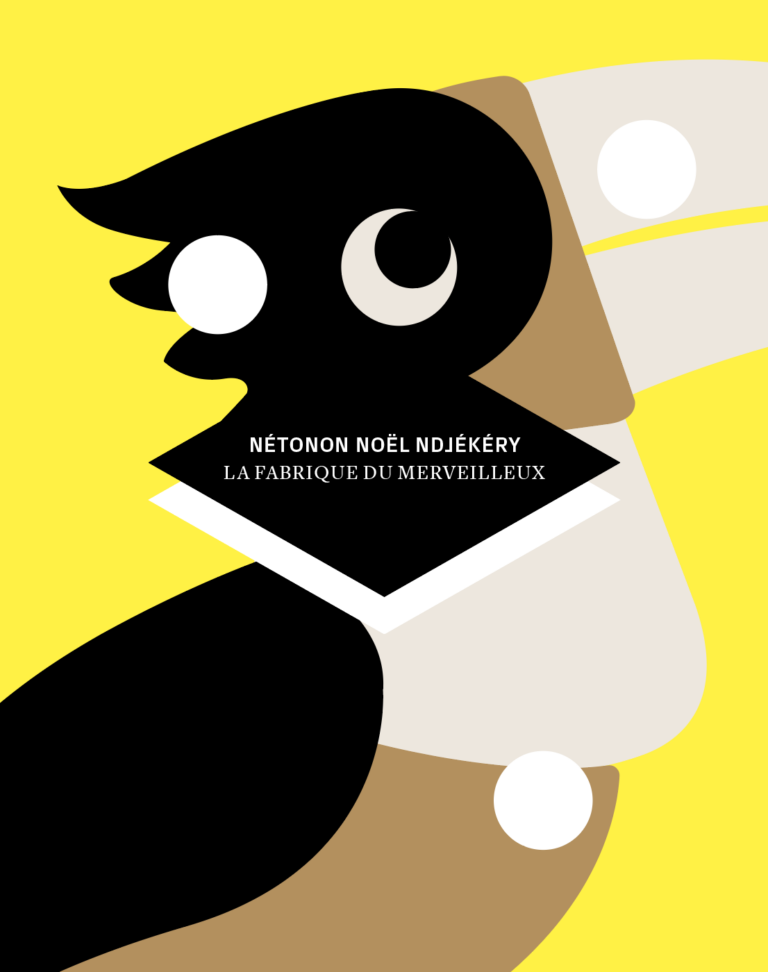
La fabrique du merveilleux
Presentation and book signing at FILAA on Saturday 22 August 2026.
What we read and what we recommend: books by the guests of the first edition and the FILAA bookshop’s selections, published throughout the year on our social media.
Books presented, read or signed at FILAA.
Presentation and book signing at FILAA on Saturday 22 August 2026.
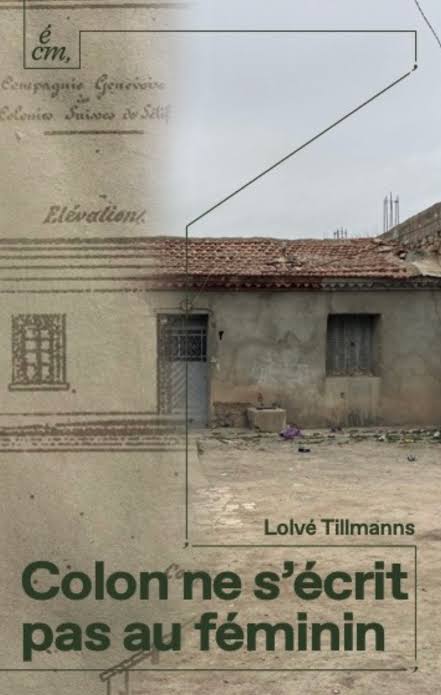
Presented at FILAA on Sunday 23 August 2026, in a conversation led by Michel Ndeze.
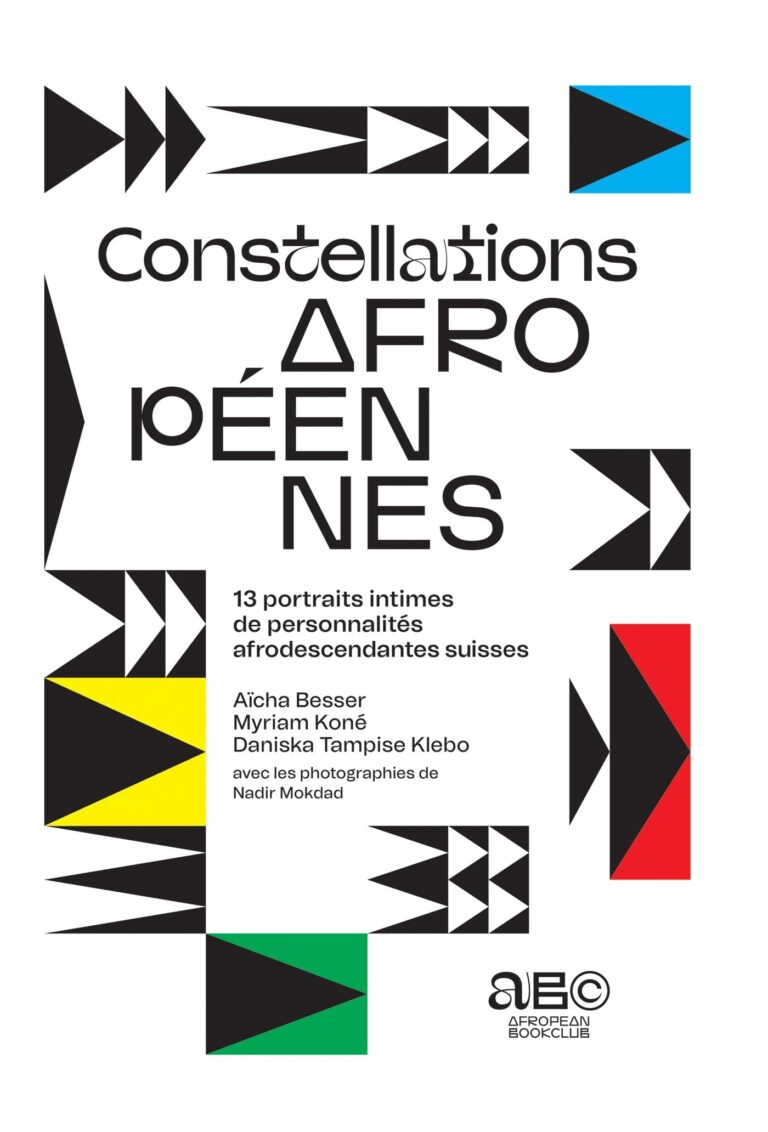
Presented at FILAA on Saturday 22 August 2026.
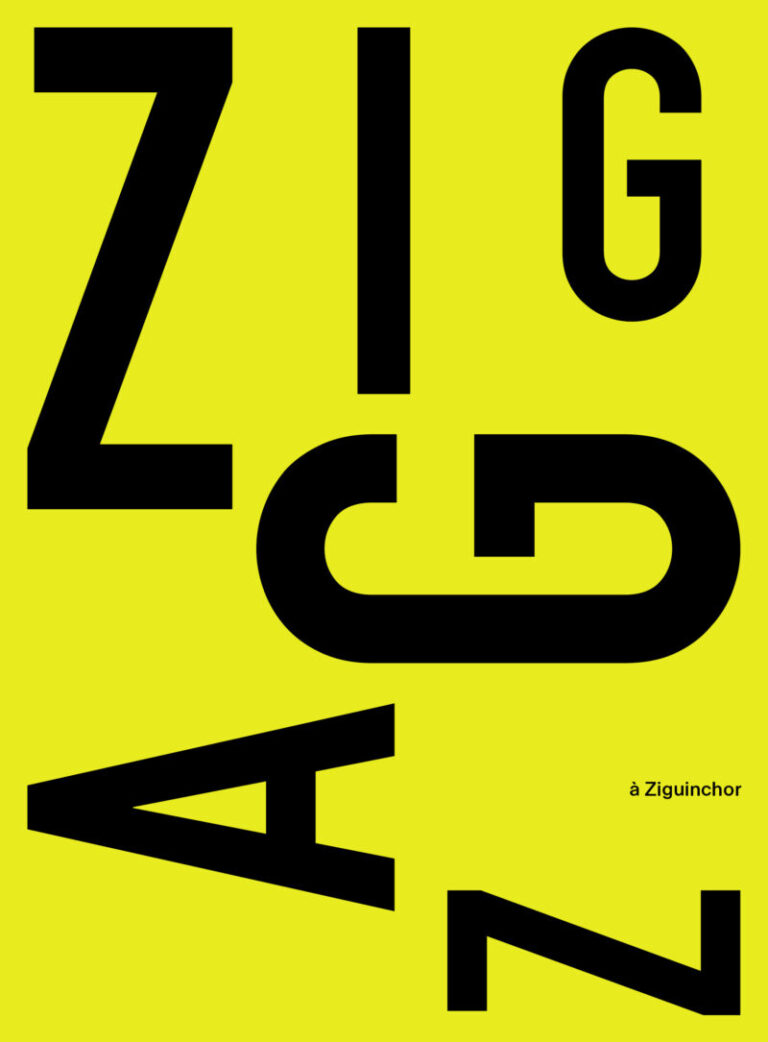
Photographic screening and book presentation at FILAA on Sunday 23 August 2026.
Our favourites, shared on Instagram all year round: novels, essays, poetry, children’s books.
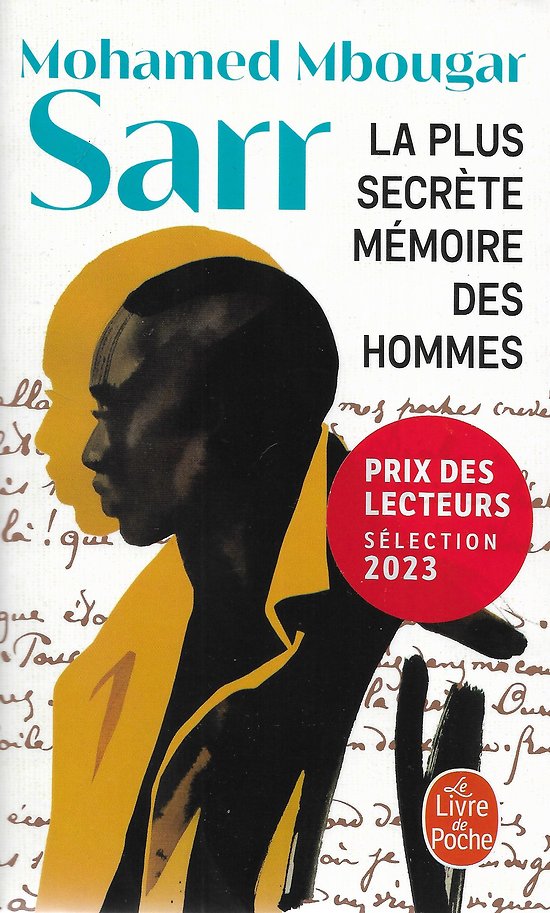
Paris, 2018. Diégane Latyr Faye, a young Senegalese writer, meets his compatriot Siga D. This provocative woman in her sixties hands him The Labyrinth of the Inhuman, a book published in 1938 by a certain T.C. Elimane. Captivated, Diégane sets out on the trail of this mysterious man. Winner of the 2021 Prix Transfuge for best French-language novel, the 2021 Prix Goncourt and the 2021 Prix Hennessy du livre. Mohamed Mbougar Sarr is a Senegalese-French novelist, born in Dakar on 20 June 1990. In 2021, he became the youngest winner of the Prix Goncourt since 1976 with The Most Secret Memory of Men. His major works include Terre ceinte (2015), Silence du chœur (2017), De purs hommes (2018) and The Most Secret Memory of Men (2021).
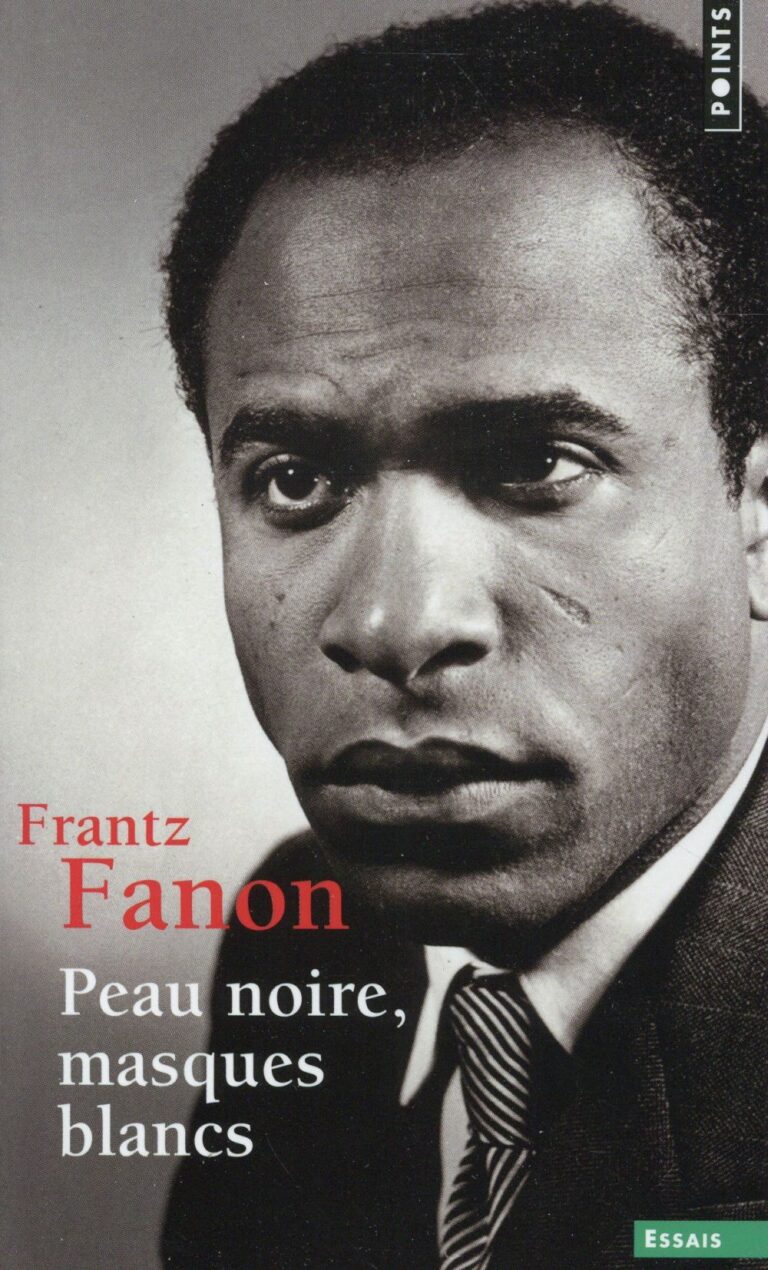
In this essay, first published in 1971, the author examines relations between Black and white people and the question of racism, which has lost none of its relevance despite decolonisation. He discusses the dependency complex of the colonised, and the links between the Black man and language, between white men and women and men and women of colour, between the Black man and psychopathology, the Black man and recognition, and more. Frantz Fanon was a Martinican psychiatrist and essayist, born on 20 July 1925 in Fort-de-France, Martinique. Through his writings, such as The Wretched of the Earth and Black Skin, White Masks, and through his actions, notably as head physician of a ward at the Blida-Joinville psychiatric hospital in Algeria, Frantz Fanon remains one of the major figures of the anticolonial struggle on the eve of independence.
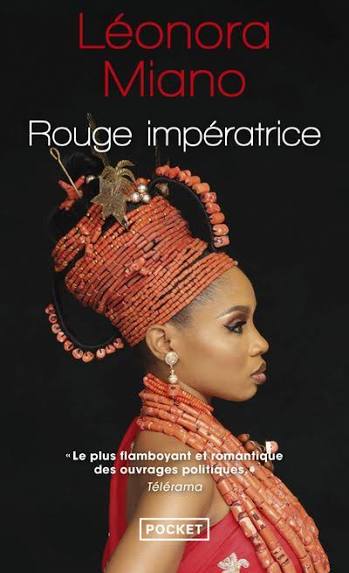
In the 22nd century, a unified Africa known as Katiopa lives in prosperity and self-sufficiency. Boya, a university lecturer, supports the assimilation of the Fulasi, descendants of French migrants, whereas the continent’s leaders want them expelled. Her relationship with Illunga, the head of state, then provokes fierce opposition among the regime’s hardliners. Léonora Miano is a French-Cameroonian novelist, essayist and playwright, born on 12 March 1973 in Douala, Cameroon. In both her theoretical and fictional work, she explores belonging to a place, the condition of people of African descent, Afropeanism and Afrofuturism. Her notable works of fiction include Contours du jour qui vient, which won the Prix Goncourt des lycéens in 2006, and Season of the Shadow (La Saison de l’ombre), winner of the Prix Femina in 2013. Among her theoretical writings, Afropea : utopie post-occidentale et post-raciste (2020) and L’Opposé de la blancheur : réflexions sur le problème blanc (2023) have drawn particular attention.
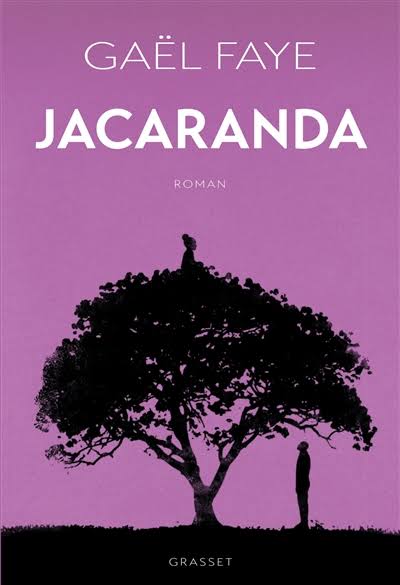
Milan, an only child, sees Claude, a boy from Rwanda, come into his life. The two become close friends, until Claude returns to his country, leaving Milan alone and sad. Later, Milan travels to Rwanda to find him and uncovers his family’s secrets, the country’s history and the genocide against the Tutsi. Winner of the 2024 Prix Roman News and the 2024 Prix Renaudot. Gaël Faye is a French-Rwandan rapper, singer-songwriter and writer, born on 6 August 1982 in Bujumbura, Burundi. He left his native country in 1995 because of the Burundian civil war and moved to France. From the late 2000s, he began performing slam and rap, which notably earned him the “Révélation scène” (Stage Revelation) award at the 2018 Victoires de la musique. In 2016, he published Small Country (Petit Pays), an intimate and moving book that went on to win the Prix Goncourt des lycéens. His most recent achievement is the 2024 Prix Renaudot, awarded for his novel Jacaranda.
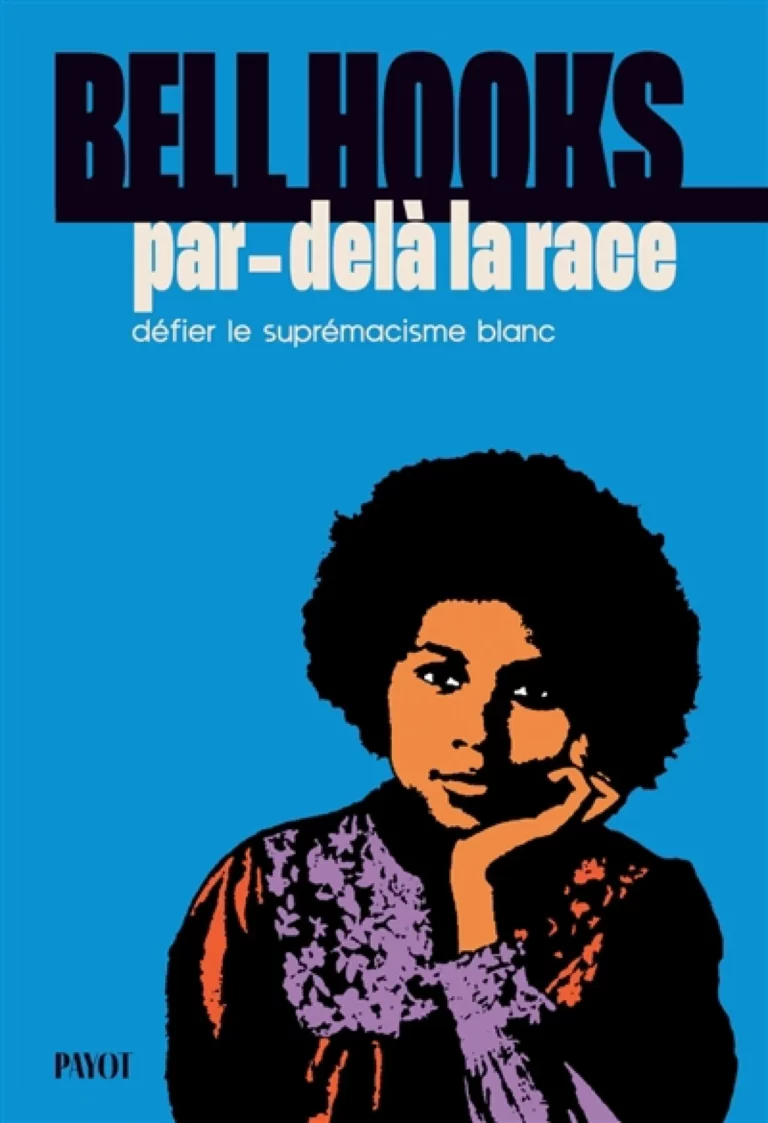
A collection of 18 essays in which the American activist, a leading figure of Black feminism, shows that theorising racism is not enough to eradicate it. For her, it is essential to put one’s ideas into practice, to move beyond divisions and to build connections across differences of gender, class or religion, in order to truly shake systems of domination. bell hooks, born Gloria Jean Watkins, was an American intellectual, academic and feminist activist. She was born on 25 September 1952 in Hopkinsville, Kentucky. She chose this pen name, deliberately written in lower case, in tribute to her great-grandmother Bell Blair Hooks, so that attention would fall on the substance of her writing rather than on herself. A major figure of Black feminism, she published her first landmark essay in 1981, Ain’t I a Woman? Black Women and Feminism, which explores the history of sexism and racism against Black women. Over the course of her career, she published more than thirty books, including Feminist Theory: From Margin to Center (1984) and the bestseller All About Love (2000), addressing the intersections of race, class and gender.
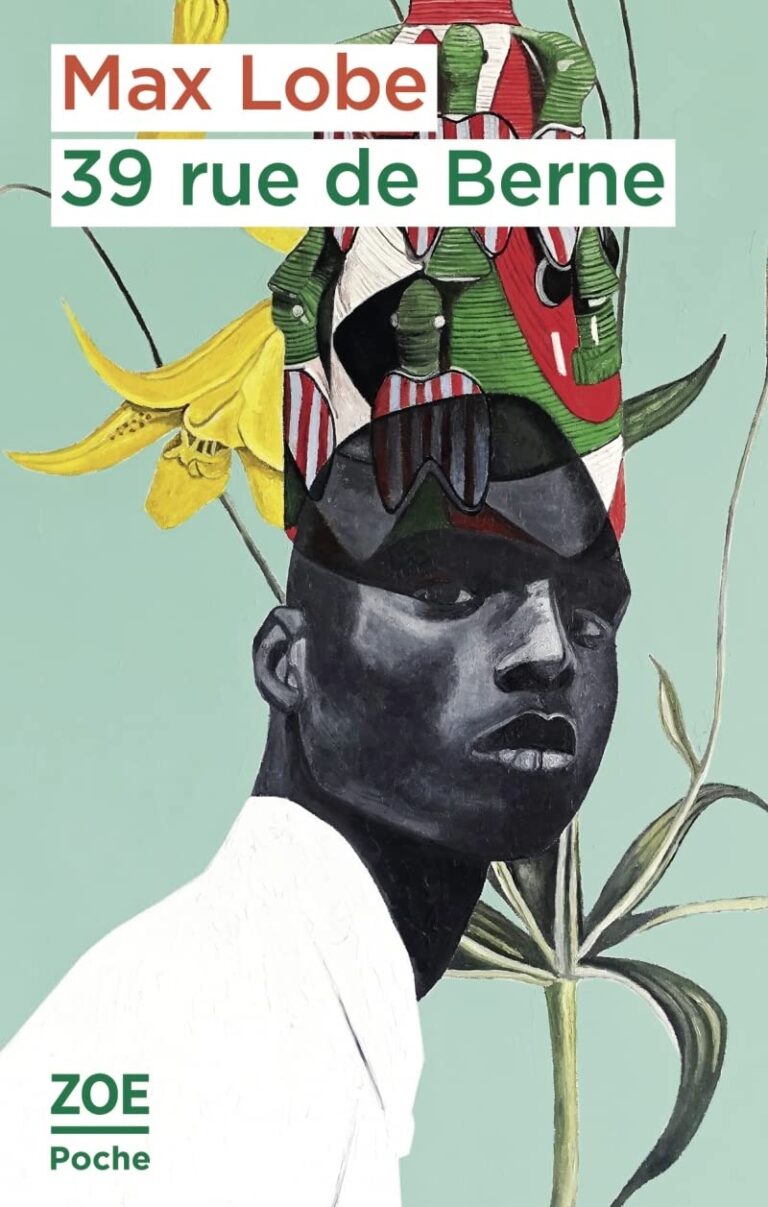
At the age of 16, Dipita’s mother leaves her native Cameroon for France. Her son gradually discovers the female world of prostitutes in which she moves. He describes his daily life while confiding the suffering bound up with his homosexuality, his youth and his origins. Winner of the 2013 Prix du roman des Romands. A first novel. Max Lobe is a Swiss-Cameroonian writer, born on 13 January 1986 in Douala, Cameroon. He arrived in Switzerland in 2004 and, after studying journalism and public administration, began his literary career in the early 2010s. His novel 39 rue de Berne, published in 2013 by Éditions Zoé, drew particular attention: it won him the Prix du roman des Romands and a nomination for the Prix des cinq continents de la Francophonie. His notable works include Confidences (2016), Loin de Douala (2018) and La Danse des pères (2025), all published by Zoé.
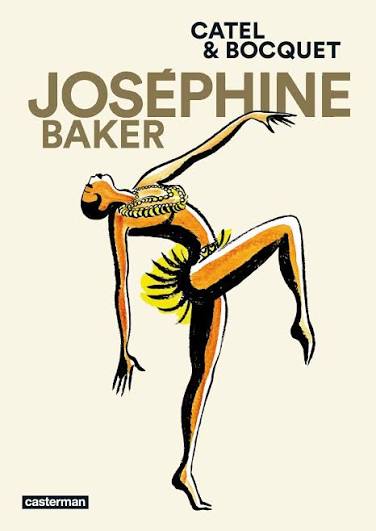
A portrait of a dancer from Mississippi who became the first global Black star, and who joined the Resistance during the Second World War and the fight against racism. Winner of the 2017 Prix Cognito for historical comics. Josephine Baker was an American, later French, dancer, singer and actress, born on 3 June 1906 in St. Louis, Missouri. She died in 1975. Regarded as the first international Black star, she left her mark on the Paris of the Roaring Twenties before joining the Resistance and then the civil rights movement. Her story is told in the graphic novel by Catel and Bocquet, published by Casterman in 2016, which spans her whole life in more than 450 pages. In 2021, five years after the book came out, she became the sixth woman to be inducted into the Panthéon.
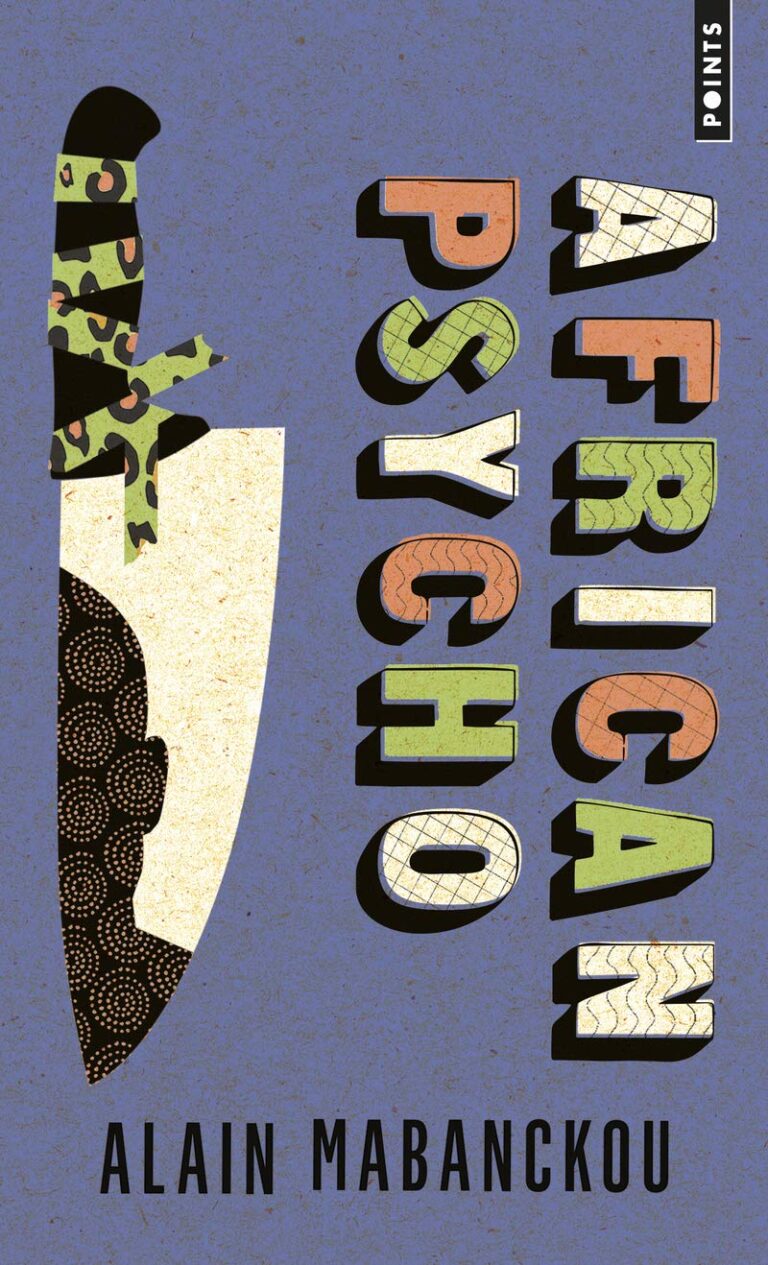
Grégoire Nakobomayo lives in an industrial African city. Manic-depressive, he likes to describe himself as a sexual deviant: gratuitous murder, rape and more. He dreams of emulating his idol, Angoualima, a serial killer who defies the whole country and makes the front pages. Despite his criminal past, his girlfriend Germaine tries to bring out the kind and generous person hidden beneath his ugliness. Alain Mabanckou is a French-Congolese writer and academic, born on 24 February 1966 in Pointe-Noire, Republic of the Congo. He began his literary career in 1998 with Blue White Red (Bleu-Blanc-Rouge), which won the Grand prix littéraire d’Afrique noire. He rose to international prominence in 2005 with Broken Glass (Verre cassé), which earned him the Prix des cinq continents de la Francophonie, and the following year won the 2006 Prix Renaudot with Memoirs of a Porcupine (Mémoires de porc-épic). Mabanckou was also one of the signatories of the manifesto “Pour une littérature-monde en français” (Towards a world literature in French), published in Le Monde on 16 March 2007, which set out to question the notion of Francophonie in literature. Alain Mabanckou remains one of the major figures of contemporary African literature, and his work has been translated into some fifteen languages.
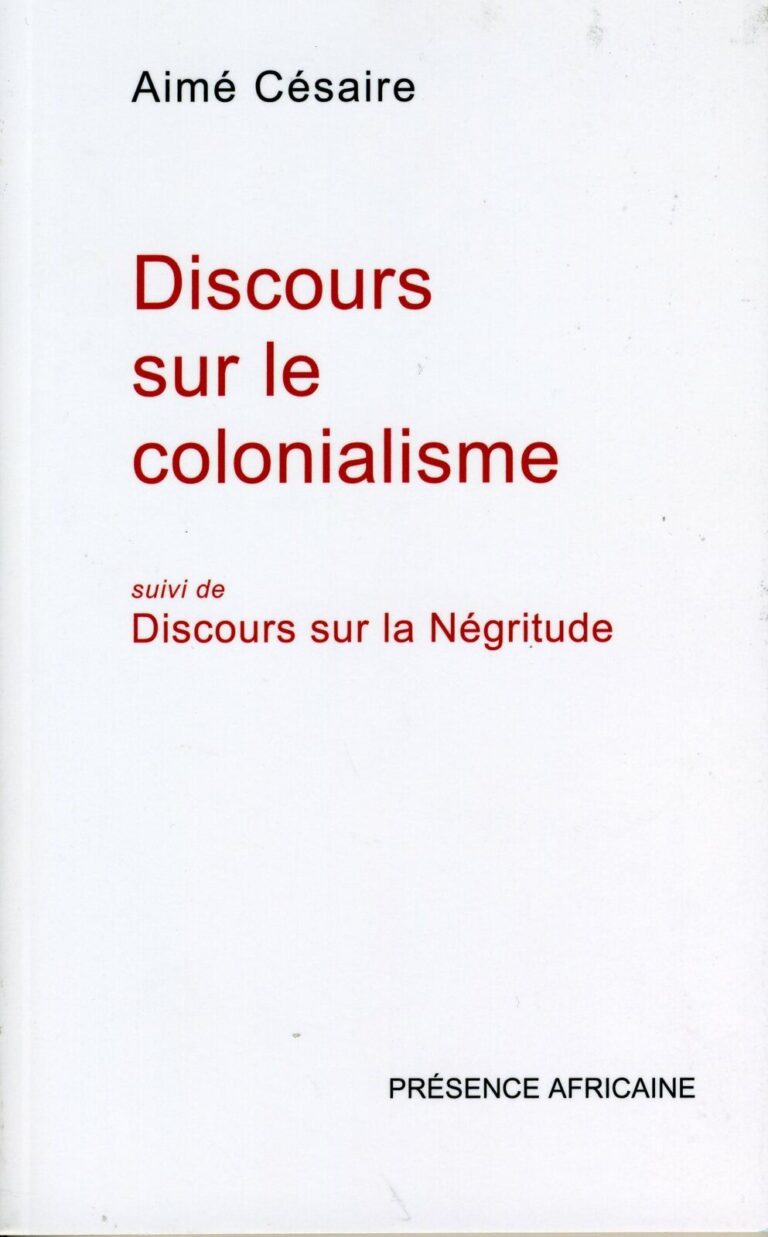
In this pamphlet published in 1955, Aimé Césaire, poet, playwright and politician, laid bare the terrible realities of colonisation. For the first time, too, and with unrivalled force, the value of Black cultures was proclaimed. This edition also includes the speech delivered at the Hemispheric Conference held in Miami, Florida, in February 1987. Aimé Césaire was a Martinican writer, poet and politician, born on 26 June 1913 in Basse-Pointe, Martinique. From the 1930s onwards, he took part in the emerging Black emancipation movements alongside Léopold Sédar Senghor and Léon-Gontran Damas, with whom he founded the Négritude movement, whose aim was to restore the value of Black cultures and identities in the face of the colonial enterprise and the prevailing assimilationism. This commitment found its first literary expression in 1939 in Notebook of a Return to the Native Land (Cahier d’un retour au pays natal), a founding text in which Césaire coined the very term “négritude” and asserted a proud and combative Black identity. His commitment carried over into practical politics when he entered public life in 1945, as mayor of Fort-de-France and then deputy for Martinique. It grew more radical with Discourse on Colonialism (Discours sur le colonialisme) in 1950, an essay that uncompromisingly denounces the foundations of the colonial system and belongs to the Pan-African and anticolonial struggles of the post-war years. Aimé Césaire remains one of the major figures of twentieth-century Black emancipation movements, and his thought continues to nourish today’s decolonial struggles.
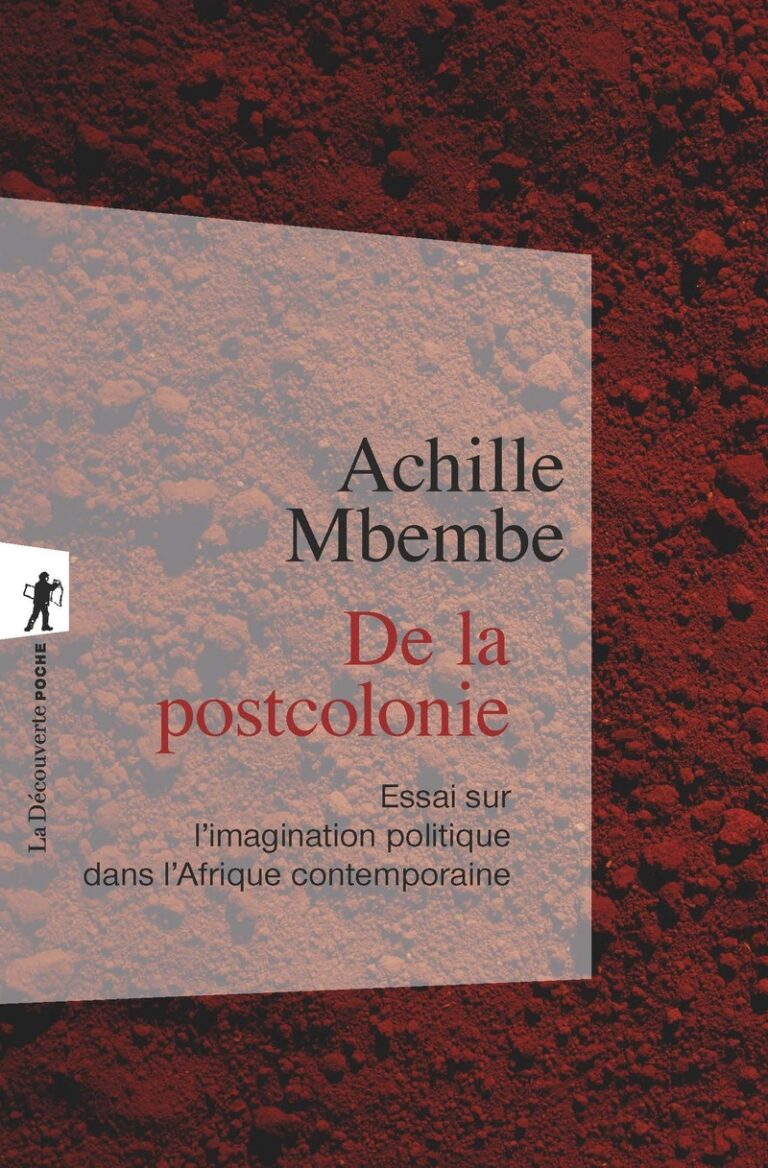
Speaking reasonably about sub-Saharan Africa is far from straightforward, since Western discourse treats Africa as the absolute other and never on its own terms. The author shows the consequences of the extremism of such discourses. Taking contemporaneity as his starting point, he seeks to account for certain forms of political, social and cultural imagination. Achille Mbembe is a Cameroonian historian, philosopher and political scientist, born on 1 December 1957 in Otélé, Cameroon. He began his intellectual career with a doctoral thesis in history defended in Paris in 1989, before gaining international recognition in 2000 with On the Postcolony (De la postcolonie), a book that profoundly renewed the study of postcolonial Africa. He confirmed his global standing in 2013 with Critique of Black Reason (Critique de la raison nègre), an essay that earned him the Geschwister-Scholl Prize in 2014. Mbembe also co-authored, with Felwine Sarr, the report on the restitution of African cultural heritage submitted in 2018 to French President Emmanuel Macron, which aimed to rethink relations between France and the African continent.
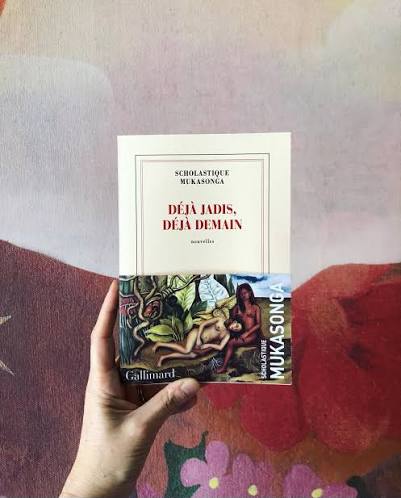
From Adam and Eve fleeing Eden out of boredom to stifling megacities haunted by mysterious wolves, nine stories explore the quest for an unreachable elsewhere. With poetry and humour, the author weaves links between traditional Rwanda and futuristic dystopias. Scholastique Mukasonga is a French-Rwandan writer, born on 1 November 1956 in Gikongoro, Rwanda. She began her literary career late, at the age of fifty, with Cockroaches (Inyenzi ou les Cafards) in 2006, an autobiographical account in which she recalls the persecution her family suffered before the genocide against the Tutsi. She continued this work of memory with The Barefoot Woman (La Femme aux pieds nus) in 2008 and then Our Lady of the Nile (Notre-Dame du Nil) in 2012. That novel won her the Prix Renaudot and the Prix Ahmadou-Kourouma the same year, confirming her standing in French-language literature. Since then, Mukasonga has pursued a body of work centred on the memory of the genocide and of exile, notably with Un si beau diplôme ! in 2018 and Kibogo in 2021.
Send us a private message: we would love to hear your suggestions.